Casey Lehmann · 10 September 2026
Navigating Complex Data Synchronization Challenges with Atlasturret in Multi-Platform Environments
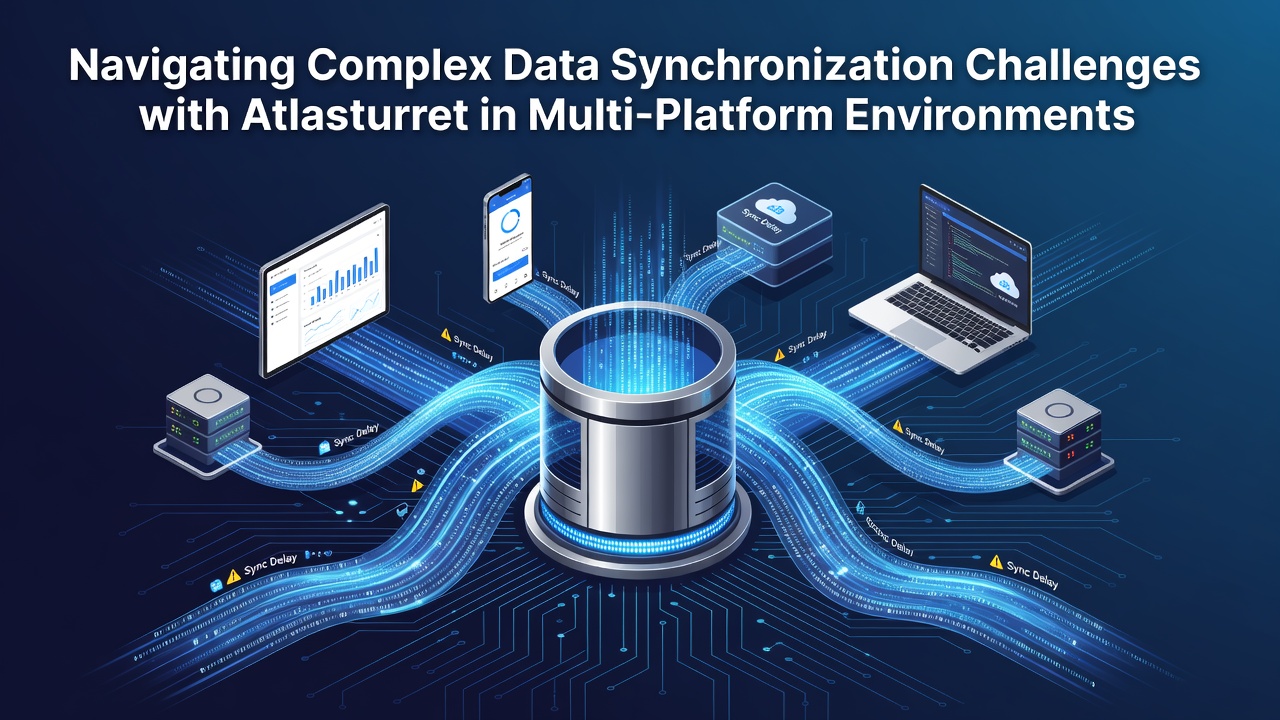
Multi-platform environments often involve disparate systems that run on varied protocols and update schedules, creating synchronization hurdles that demand specialized tools for maintaining data consistency. Atlasturret addresses these issues through its core architecture designed to handle cross-platform data flows in real time. Researchers in distributed computing have documented how latency differences between mobile and enterprise servers can lead to version conflicts, and Atlasturret mitigates this by implementing conflict resolution algorithms that prioritize based on predefined business rules rather than timestamps alone.
Core Mechanisms in Atlasturret for Data Handling
Atlasturret employs a modular syncing engine that separates metadata tracking from payload transfer, allowing platforms to exchange updates without full data reloads. This separation reduces bandwidth consumption in environments where networks vary widely in reliability. Data shows that organizations using similar modular approaches report fewer rollback incidents during peak loads. The system supports both push and pull models simultaneously, which accommodates scenarios where some platforms initiate syncs while others respond passively. Observers note that such flexibility proves essential when integrating legacy systems with modern cloud services.
Addressing Latency and Conflict Issues Across Platforms
Latency variations become pronounced in global setups where servers span multiple continents, and Atlasturret counters this through adaptive buffering that adjusts buffer sizes according to measured round-trip times. Studies from distributed systems labs indicate that dynamic buffering cuts sync errors by measurable margins compared to static methods. Conflicts arise when simultaneous edits occur on separate devices, yet the tool resolves them via merge strategies that preserve user intent where possible. One documented implementation involved retail chains syncing inventory across in-store terminals and online portals, resulting in accurate stock levels without manual intervention after initial setup.
Integration Strategies with Existing Infrastructure
Teams integrate Atlasturret by first mapping data schemas across all target platforms, then configuring transformation layers that handle format discrepancies automatically. This mapping step ensures compatibility between JSON-based mobile apps and XML-heavy backend systems. Evidence from industry reports highlights how schema alignment reduces integration time significantly. The platform also provides APIs for custom extensions, enabling developers to add support for proprietary protocols without altering core code. In September 2026, updates to these APIs introduced enhanced logging features that aid in auditing sync activities across regulated sectors.

Security considerations enter the picture because synchronized data travels between environments with differing access controls. Atlasturret incorporates encryption at rest and in transit while allowing granular permission settings per platform. Government resources on data management, such as those from the National Institute of Standards and Technology, outline frameworks that align with these encryption practices. Meanwhile, research from the University of Melbourne on distributed databases emphasizes the value of audit trails, which Atlasturret generates automatically during each sync cycle.
Scalability Considerations in Growing Deployments
As user bases expand, sync volumes increase exponentially, and Atlasturret scales through horizontal node addition that distributes workload without central bottlenecks. Performance metrics from deployments show linear improvements in throughput when additional nodes come online. Load balancing occurs at the sync layer itself, directing traffic based on current platform availability. Those managing large-scale rollouts often discover that monitoring tools bundled with the system help identify emerging bottlenecks before they impact end users.
Conclusion
Atlasturret provides structured approaches to data synchronization challenges in multi-platform settings by focusing on modular design, adaptive resolution, and scalable architecture. Organizations continue to apply these capabilities in varied contexts, from retail inventory management to enterprise resource planning. Ongoing developments, including the September 2026 API enhancements, reflect continued refinement based on operational feedback from diverse deployments.